Why Impulse Control Is the Foundation of Good Behavior
Teaching Your Dog to Pause Before They React
Impulse control is one of the most important—and often overlooked—skills in dog training. At Best By Farr Dog Training, we focus heavily on teaching dogs how to pause, think, and respond appropriately rather than reacting automatically to every stimulus. This ability to regulate excitement makes a tremendous difference in everyday life.
What Is Impulse Control?
Impulse control is your dog’s ability to resist immediate urges. Whether it’s chasing a squirrel, rushing through a doorway, grabbing food off the counter, or jumping on a guest, these reactions happen when impulse control is lacking.
Teaching your dog to slow down and wait builds maturity and emotional stability.
Why It’s So Important
Strong impulse control leads to:
- Calmer behavior in busy environments
- Reduced reactivity toward people or dogs
- Better leash manners
- Safer interactions at doorways and around food
- More reliable obedience overall
Without impulse control, even a dog that “knows” commands may struggle to apply them in real-life situations.
How to Build Impulse Control
Impulse control training doesn’t require complicated drills. It can be built into daily routines:
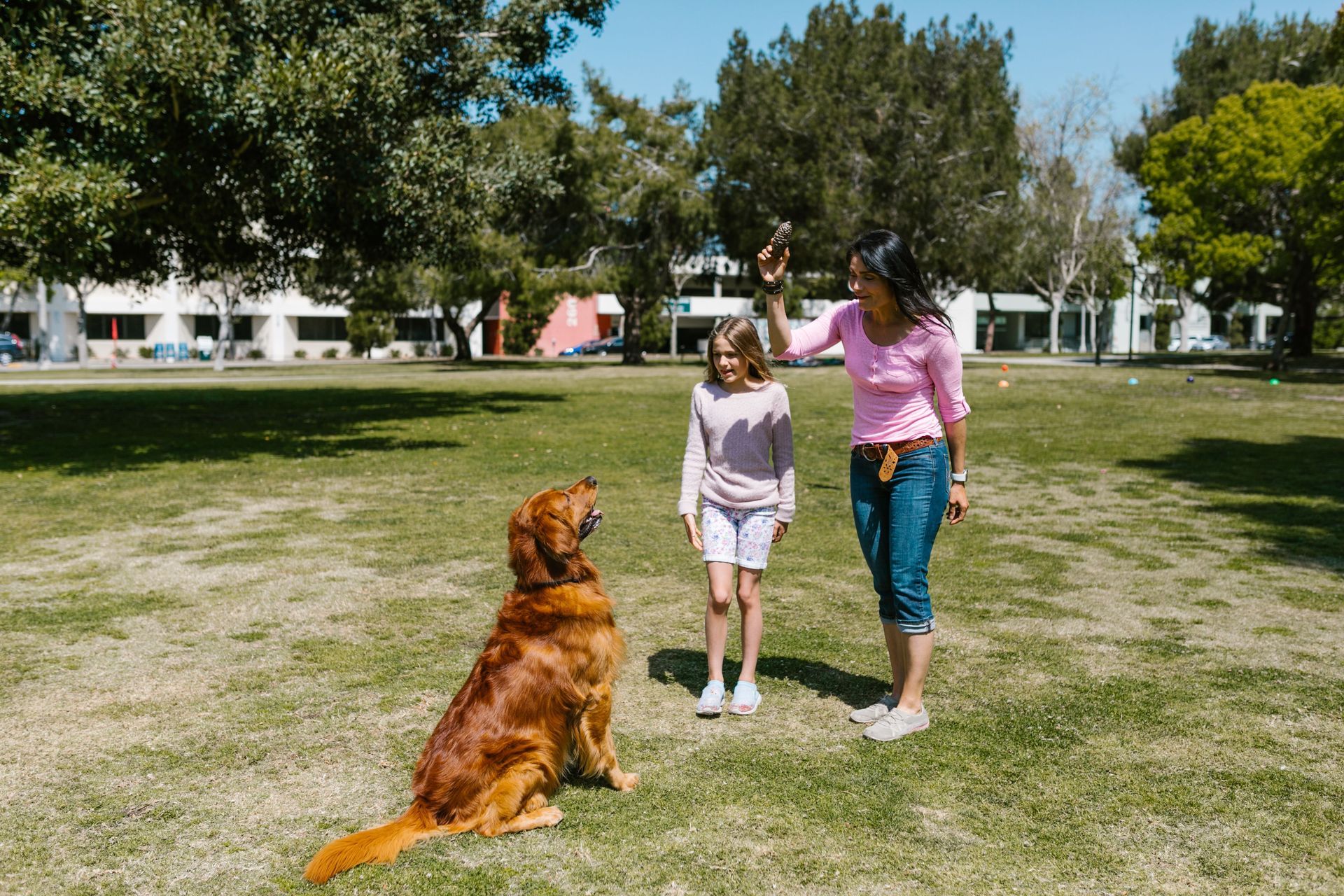
- Ask for a “sit” before meals or going outside
- Practice “wait” at doors and gates
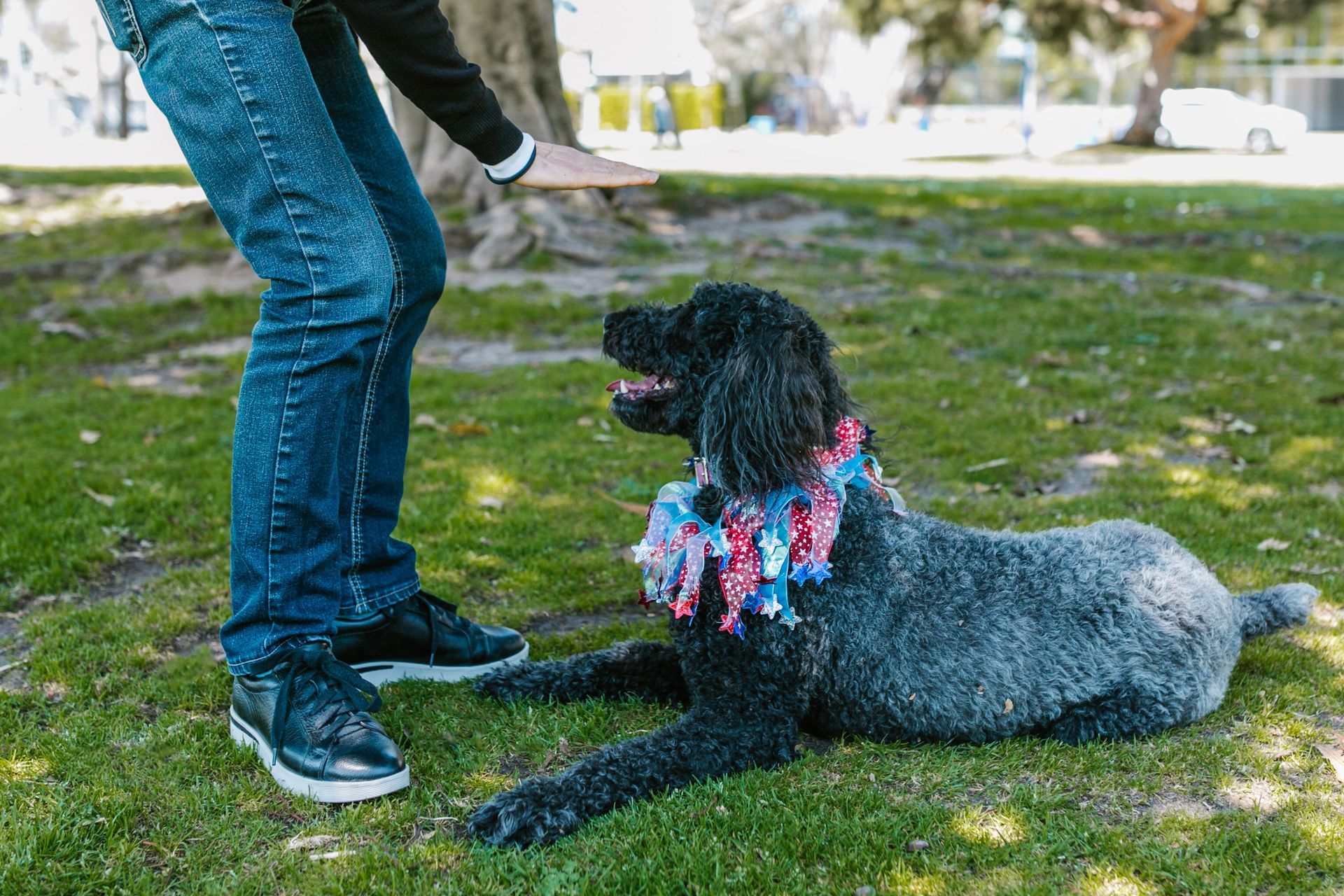
- Use “place” to encourage settling
- Reward calm behavior instead of excitement
- Gradually increase distractions while maintaining expectations
Consistency is critical. The more your dog practices pausing before acting, the more natural it becomes.
Creating a Calm, Reliable Companion
Impulse control transforms behavior from reactive to intentional. Instead of constantly correcting unwanted reactions, you begin to see your dog choose the right behavior independently.
At Best By Farr Dog Training, we build impulse control into every program because it supports everything else—obedience, social awareness, leash manners, and overall stability. When your dog learns to pause before reacting, you gain a companion who is not only well-trained, but truly dependable.
Share