The Importance of Neutrality in Dog Training
Not Every Moment Needs a Reaction—And That’s a Good Thing
We focus not just on teaching dogs what to do, but also what not to react to. Neutrality—the ability for a dog to remain calm and indifferent in stimulating environments—is one of the most valuable skills a dog can learn. It’s what separates a reactive dog from a reliable one.
What Is Neutrality?
Neutrality means your dog can exist in an environment without needing to engage with everything in it. Other dogs, people, noises, food, movement—none of it automatically triggers a reaction. Instead, your dog stays calm, aware, and responsive to you.
This doesn’t mean your dog is unfriendly or disengaged—it means they are controlled and balanced.
Why Neutrality Matters
Dogs that lack neutrality tend to:
- Bark, lunge, or pull toward other dogs
- Overreact to new people or environments
- Struggle to settle in public places
- Become overstimulated quickly
- Ignore commands when distractions are present
Neutrality creates stability. It allows your dog to function calmly in everyday situations without constant correction.
How to Build Neutral Behavior
Neutrality is developed through structured exposure and consistent expectations:
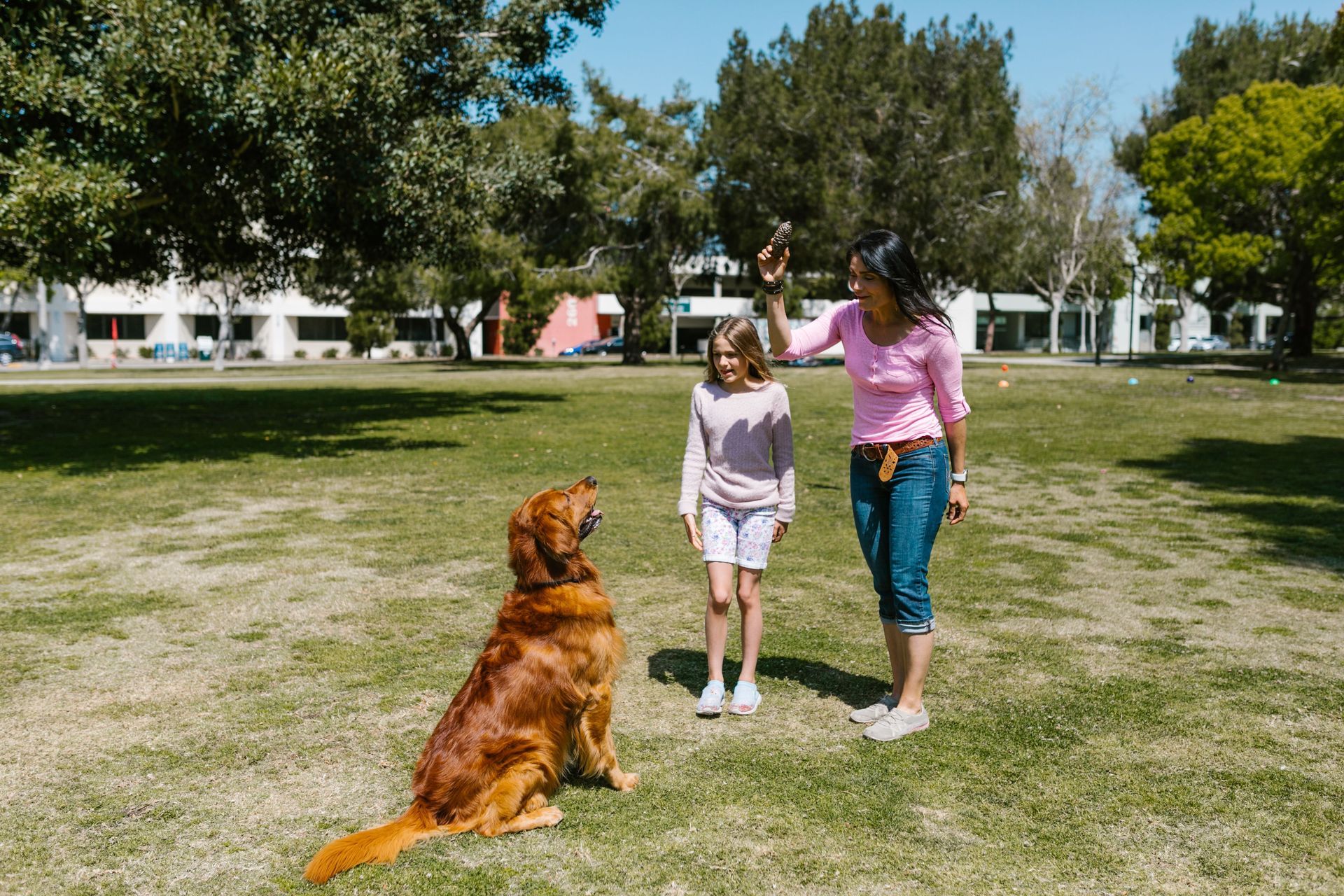
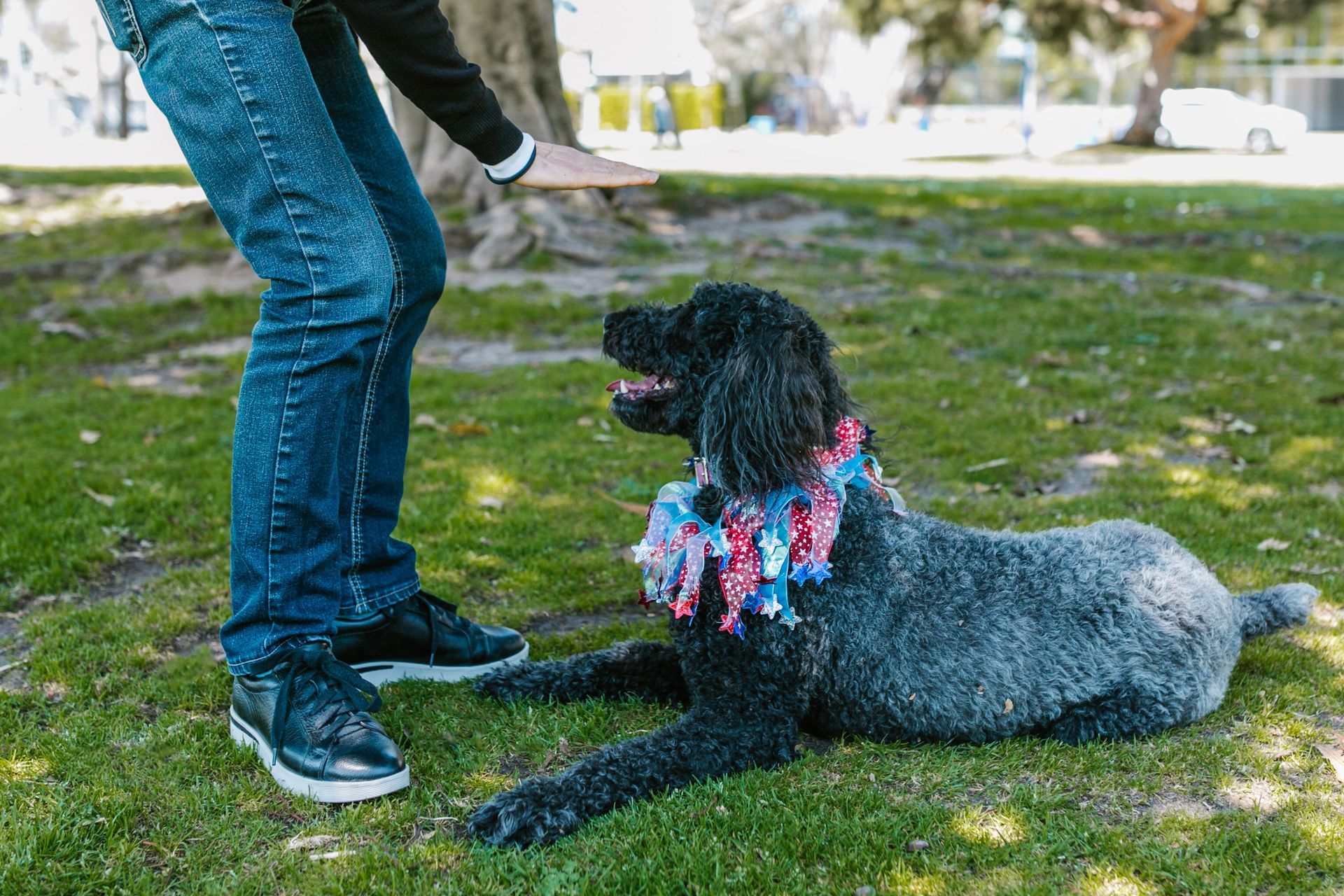
- Practice calm behavior around distractions without allowing interaction
- Reward disengagement—when your dog chooses to ignore something
- Use leash guidance to prevent unwanted reactions
- Start with lower distractions and gradually increase difficulty
- Reinforce obedience in environments where distractions exist
The goal isn’t to avoid distractions—it’s to teach your dog how to handle them.
A More Balanced, Reliable Dog
Neutral dogs are easier to walk, easier to bring into public, and more enjoyable to live with. They don’t feel the need to react to everything around them, which reduces stress for both dog and owner.
At Best By Farr Dog Training, we prioritize neutrality because it creates real-world reliability. When your dog learns that they don’t need to react to everything, they become calmer, more focused, and far more dependable in any environment.
Share