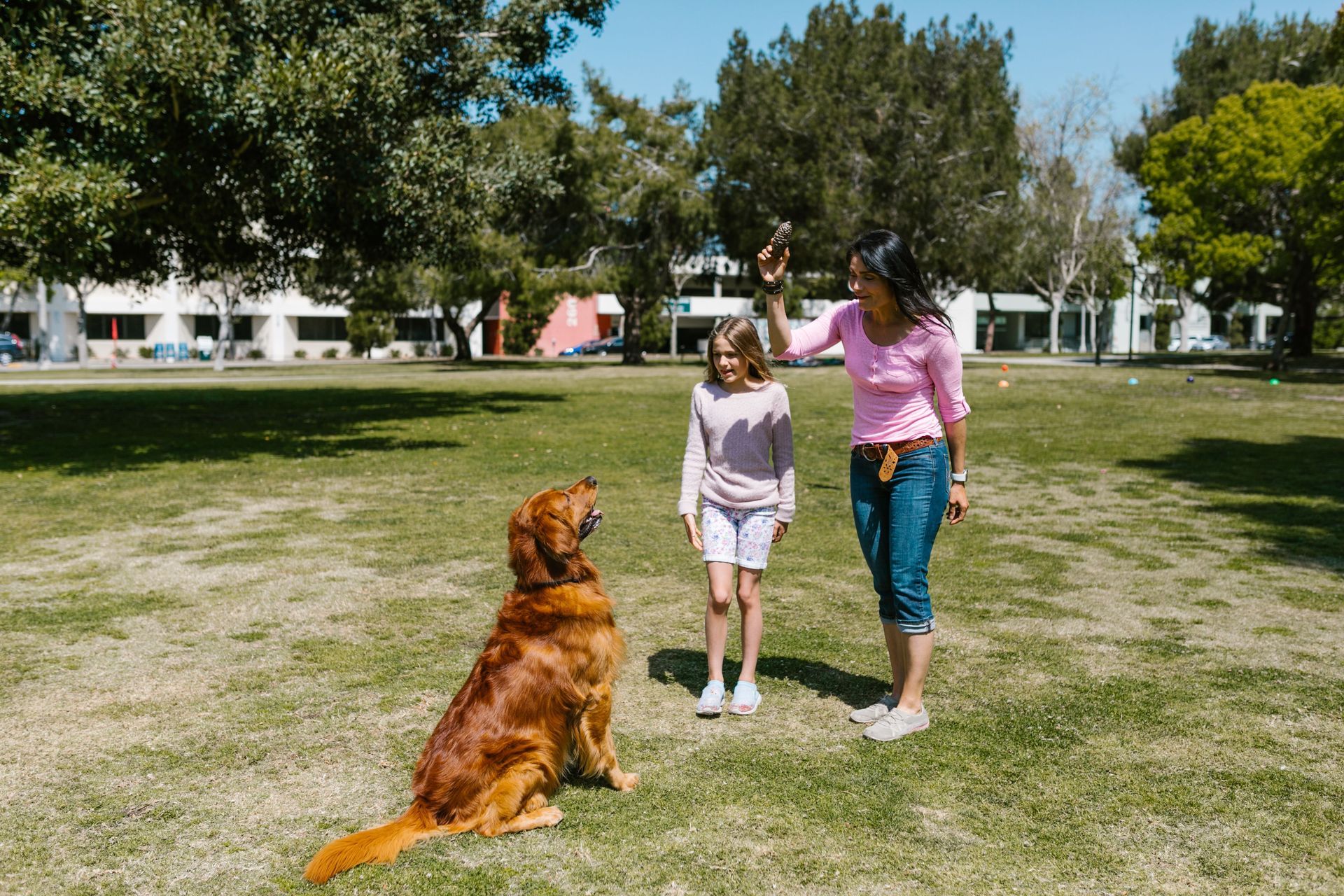
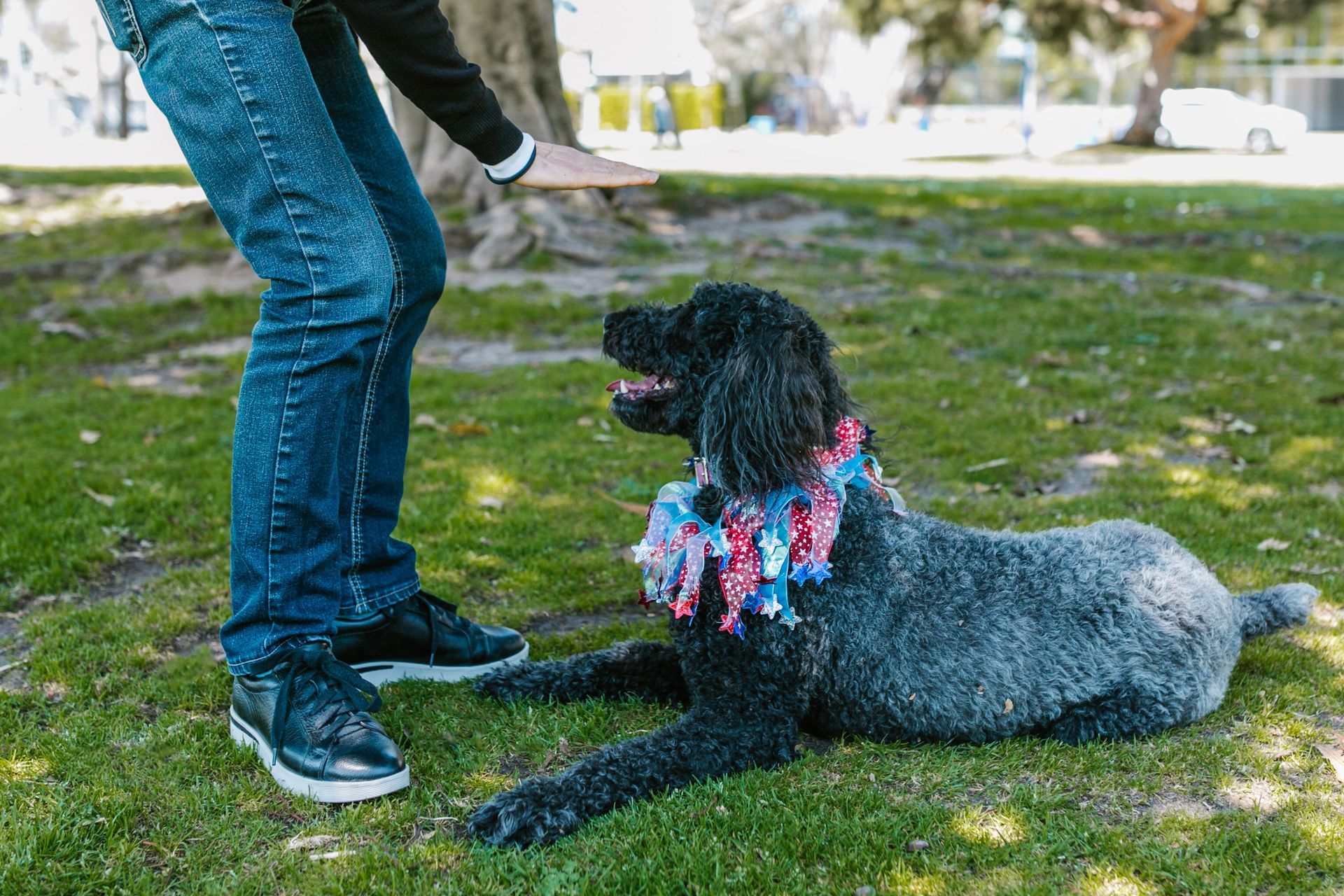
Avoiding the “Weekend Warrior” Approach to Dog Training
Why Consistency Beats Cramming in Your Dog’s Learning Process
Life gets busy, and it’s easy to let training fall through the cracks during the week. Many owners try to make up for lost time with long weekend training sessions—but just like cramming for an exam, this approach doesn’t produce lasting results. At Best By Farr Dog Training, we help owners build small, daily habits that lead to steady, dependable progress.
The Problem with Inconsistent Practice
Dogs learn through repetition and clarity. When training happens sporadically:
- Skills fade quickly
- Rules become unclear
- Behaviors become inconsistent
- Dogs practice unwanted habits in the meantime
- High‑intensity weekend sessions can overwhelm or frustrate them
You can’t undo five days of poor behavior in 45 minutes of weekend practice. Real progress comes from frequency, not intensity.
What Works Instead
Daily training doesn’t need to be complicated or time‑consuming:
- 10–15 minutes per day can create major improvements over time.
- Training during daily activities builds habits naturally.
- Reinforcing known behaviors keeps skills sharp.
- Short, fun sessions prevent overwhelm and keep your dog eager to learn.
Keep It Simple and Sustainable
Dogs don’t need complex lessons to learn—they need clarity:
- Work on one or two behaviors at a time
- Use life rewards (going outside, putting on the leash, greeting guests)
- Insert practice into routines—before meals, during walks, before play
- Track progress weekly, not daily
When training becomes part of your everyday rhythm, your dog becomes more reliable, focused, and well‑behaved. Skip the “weekend warrior” mindset and build habits that stick. Your dog will thank you with better behavior, less stress, and more enjoyable time together.
Share