Balancing Structure and Freedom in Your Dog’s Life
Why Too Much Freedom Too Soon Can Backfire
Every dog owner wants their dog to enjoy freedom—exploring the home, relaxing in the yard, interacting socially, or roaming rooms without restrictions. But freedom is something dogs earn, not something granted automatically. At Best By Farr Dog Training, we help owners introduce freedom gradually so dogs succeed rather than struggle.
Why Structure Comes First
Dogs don’t automatically understand human rules. Without structure, they improvise—and that often leads to issues like:
- Barking at noises or people
- Chewing or destructive behavior
- House accidents
- Fence fighting or chasing
- Door dashing
- Ignoring recall outdoors
- Resource guarding or claiming spaces
Too much freedom early on simply gives your dog opportunities to rehearse bad habits.
How to Introduce Freedom the Right Way
Start small, expand slowly, and always reward good decisions:
- Use leash tethering or baby gates to limit access while your dog learns the rules
- Supervise early freedom until your dog proves they can handle it
- Reward calm choices when entering new spaces
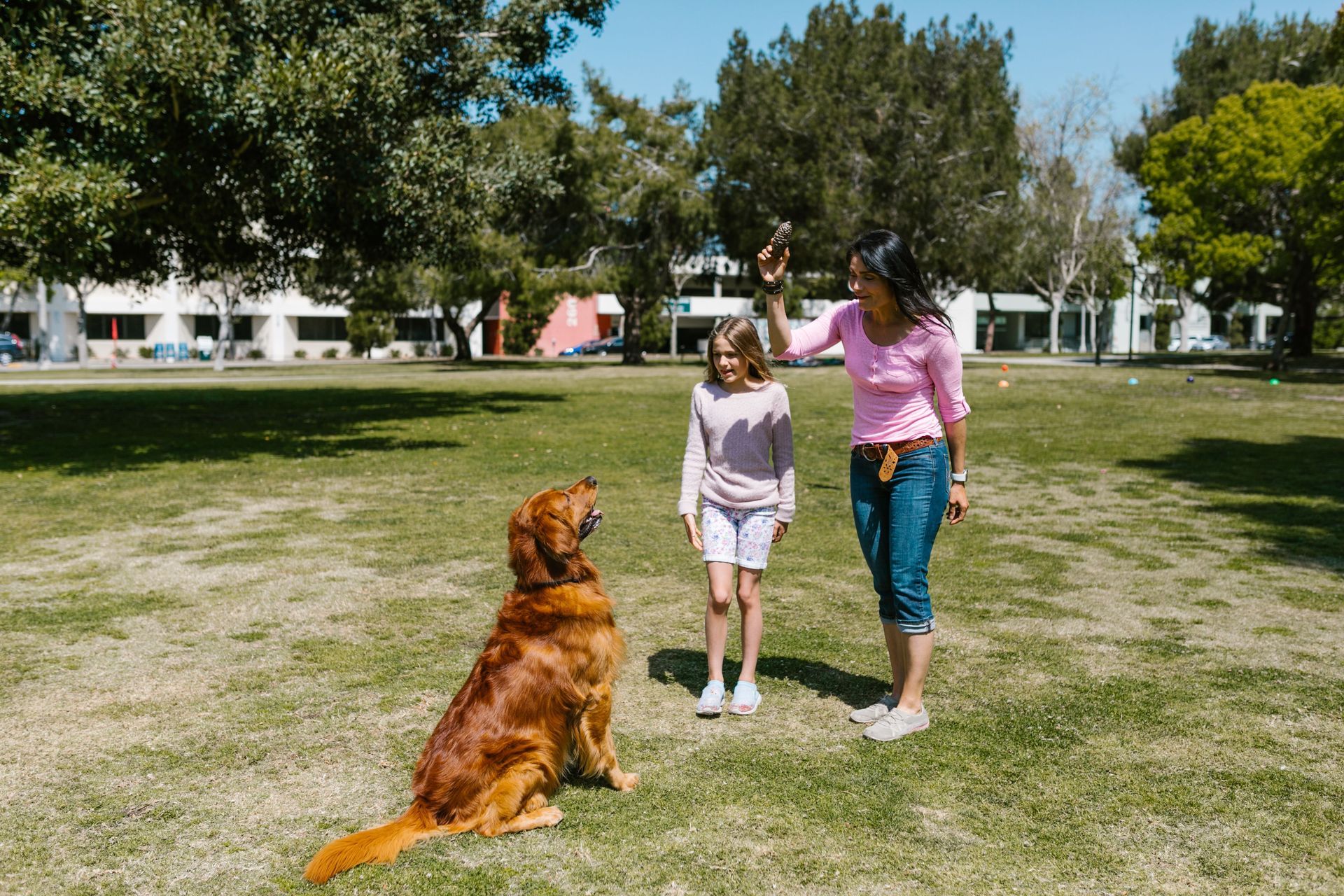
- Practice impulse control before granting more freedom (sit, wait, place, recall)
- Increase access gradually—one room, one routine, or one area at a time
- Maintain structure even once freedom is earned
Dogs thrive when they know what’s expected. Freedom becomes more meaningful when they’ve worked for it.
Structure Is Clarity—not Control
Giving your dog boundaries isn’t being strict—it’s being fair. Structure prevents anxiety, confusion, and unsafe behavior. Once your dog understands the rules and consistently makes good choices, freedom becomes a well‑earned reward that they can enjoy safely and confidently.
At Best By Farr Dog Training, we specialize in helping owners strike the perfect balance between structure and independence, creating a dog who is both reliable and relaxed—no matter the environment.
Share