Cold Weather and Dogs: How to Help Your Pup This Winter
Winter's chilly embrace can be tough not only for humans but for our canine companions as well. It's crucial to understand how different dogs react to cold weather and to take proactive steps to ensure their comfort and safety.
Dog Breeds and Cold Weather Tolerance
Some breeds are naturally equipped to handle cold weather thanks to their origin and physical traits. For example, Siberian Huskies have a heritage that traces back to extremely cold climates, making them more adept at handling winter's rigors with their thick fur coats. On the other hand, smaller and short-haired breeds like Chihuahuas lack the natural insulation of huskies and often require extra warmth from clothing to stay comfortable and safe.
Key Tips to Protect Your Dog in Cold Weather
- Protect Against Toxic Substances: Common winter chemicals like antifreeze and ice-melt can be toxic to dogs. Always clean your dog’s paws and underbelly after walks to prevent them from licking and ingesting harmful residues.
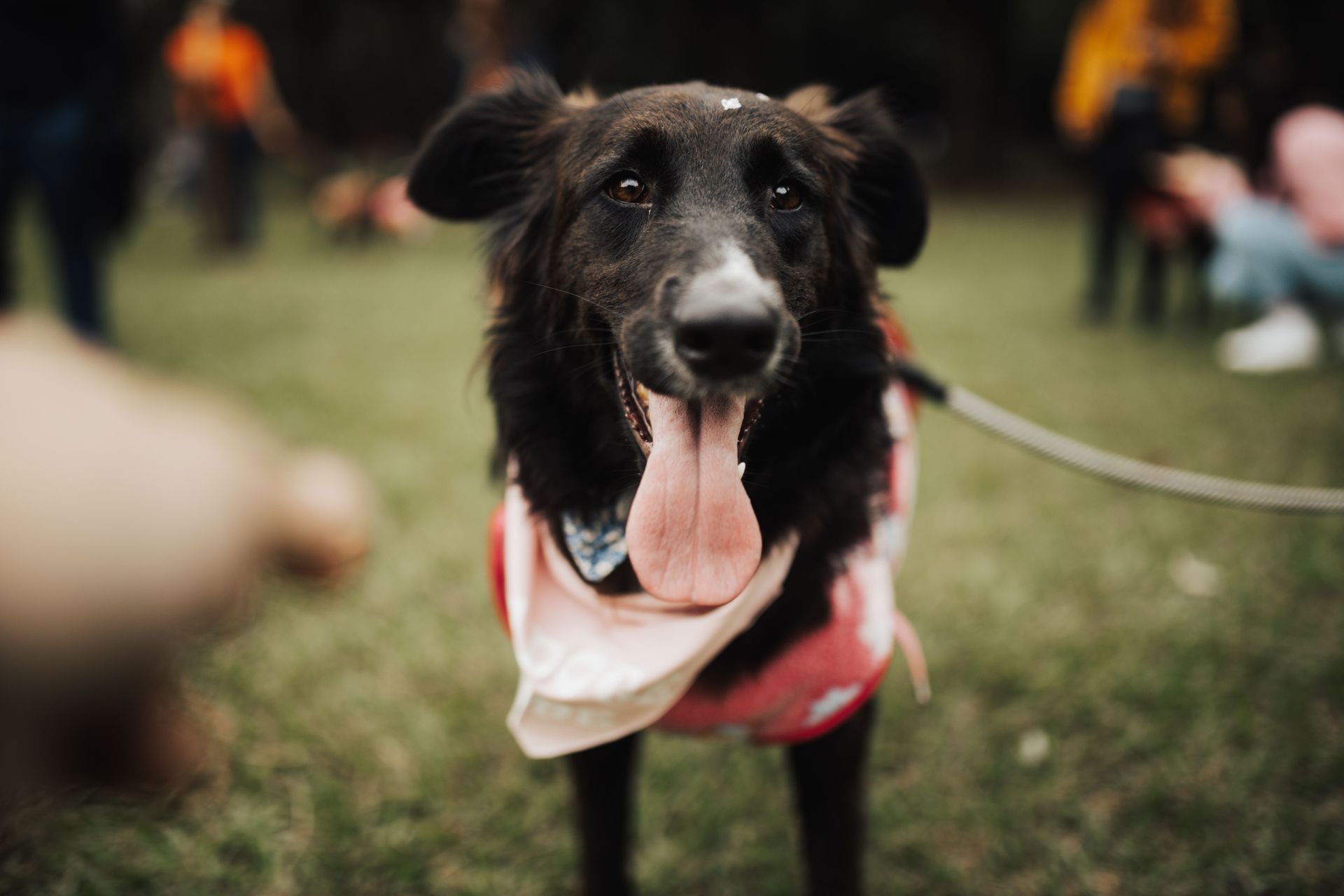
- Guard Against the Cold: While some dogs might resist wearing clothes, dog coats and boots can provide essential protection from the cold, especially for less cold-tolerant breeds. These accessories help prevent hypothermia and frostbite, common issues during harsh winters.
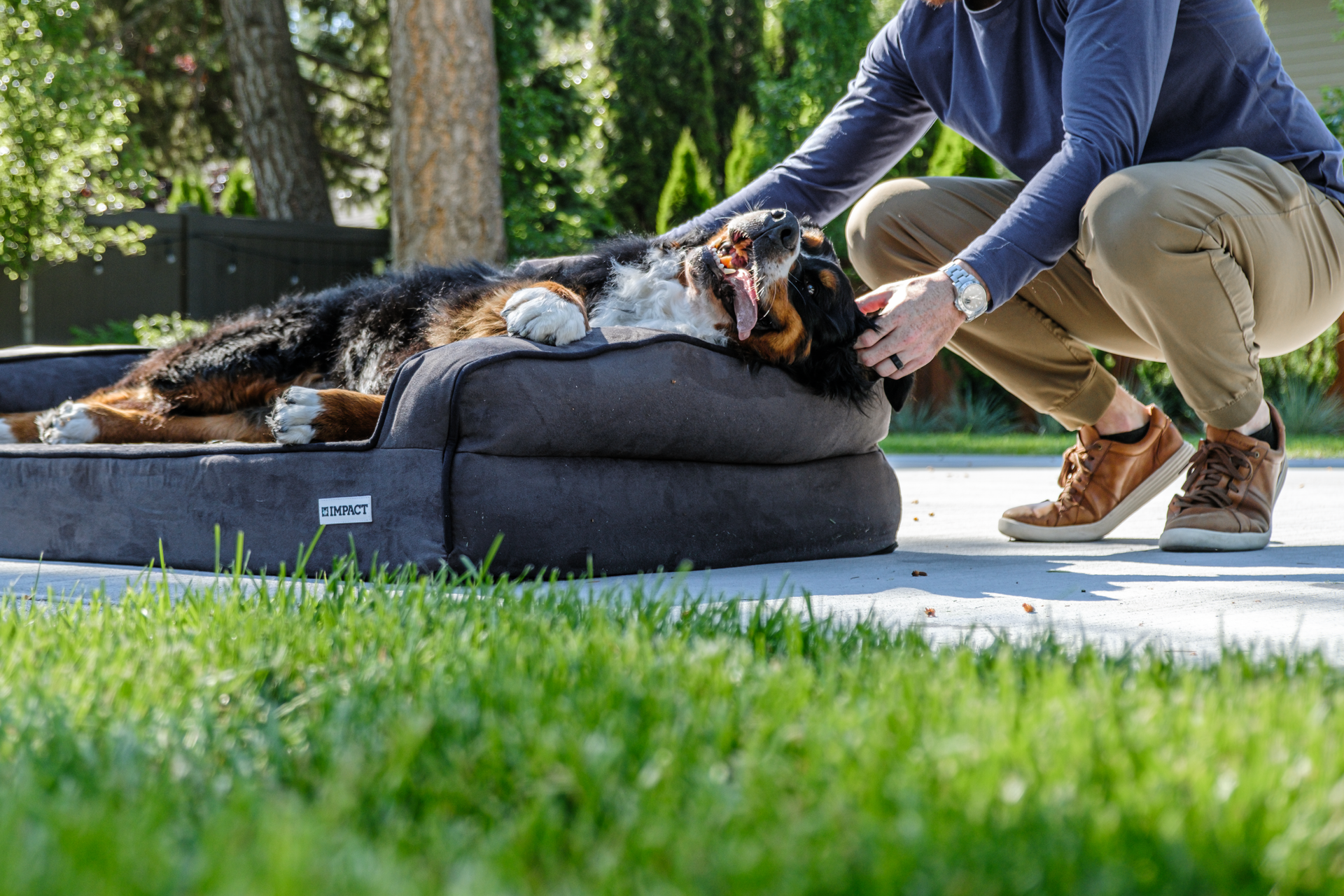
- Safe Housing: If your dog spends a lot of time outdoors, ensure they have a warm, insulated shelter that is elevated off the ground and shielded from wind. Bedding should be dry and warm, and the water supply must be checked regularly to prevent freezing.
- Monitor Exposure to Cold: It’s crucial to keep a close eye on how your dog is handling the cold. Signs of discomfort or reluctance to stay outside are indicators that it might be too cold for them. Reducing time spent outdoors during peak cold and scheduling outdoor activities during warmer times of the day can help.
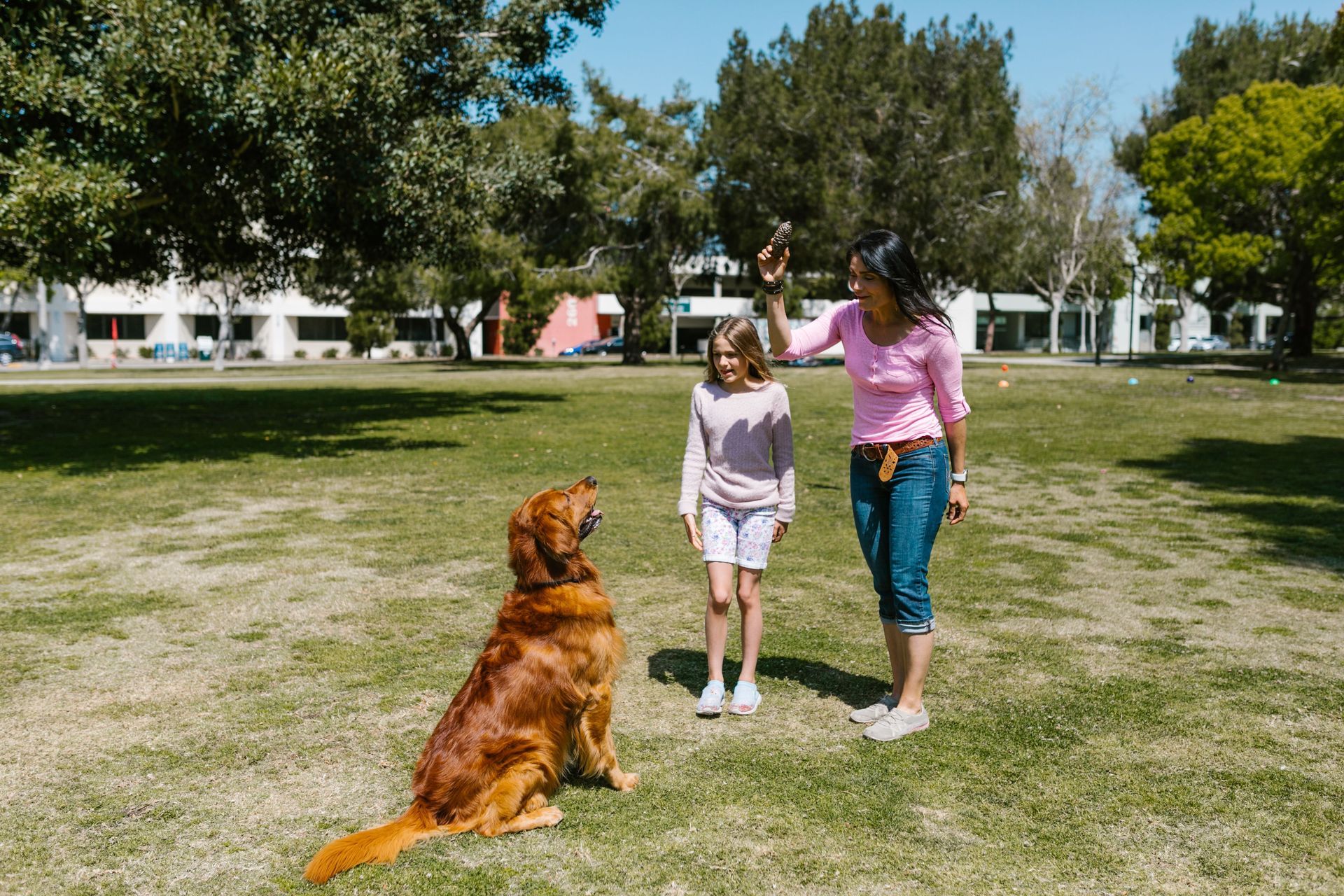
- Indoor Exercise: To keep your dog active and healthy in winter without exposing them to harsh conditions, consider indoor activities. Games like tug-of-war, hide-and-seek, or setting up an indoor obstacle course can provide great physical and mental stimulation.
- Vehicle Safety: Never leave your dog in a car unattended during winter, as cars can quickly become as dangerously cold as they become hot in summer.
- Regular Vet Check-ups: Winter can exacerbate certain health issues like arthritis. Regular check-ups can help manage any emerging health problems and ensure your dog is as healthy as possible throughout the winter months.
By understanding the specific needs of your dog during winter and taking the necessary precautions, you can ensure they stay happy and healthy throughout the season. If you notice any signs of discomfort or health issues, consult with your veterinarian promptly. Sharing your strategies and experiences can also help other pet owners navigate the challenges of winter—feel free to drop your tips or concerns in the comments below or share this post to spread awareness!
Share